


It's a cold morning, you've turned up the thermostat, and your RV furnace starts blowing air—but it isn't warm yet. Is something wrong?
A brief delay is normal. The blower starts before the propane burner ignites, so warm air takes a little time to arrive.
Here's how to start your RV furnace, troubleshoot common problems, and keep it running through colder trips.
How Does an RV Furnace Work?
A typical propane RV furnace uses propane to produce heat and 12V electricity to run the blower, ignition, and controls.
The burner heats a heat exchanger. Cabin air passes across that exchanger and returns to the living space as warm air, while combustion exhaust exits outside. Depending on the furnace, warm air may enter the cabin directly or travel through the RV's duct system.
The normal heating cycle follows this sequence:
- The thermostat calls for heat.
- The blower starts.
- The burner ignites.
- Warm air reaches the cabin.
- The burner shuts off when the selected temperature is reached.
- The blower continues briefly before stopping.
Both fuel and power matter. A full propane tank won't keep the furnace running if the blower and controls lose electricity. That's why propane RV furnaces still need 12V power, even when you're camping without hookups.
How to Turn On Your RV Furnace
Before your first cold-weather trip, run the furnace at home and let it complete a heating cycle. These five steps cover the basics.
1. Check Propane and 12V Power
Confirm that propane is available and the supply valve is open. Turn on the house battery disconnect and check that the RV's 12V system is operating.
At a campground, plugging in supports the electrical side of the system. A propane furnace still needs propane to produce heat.
2. Clear Airflow Paths
Move bags, bedding, and stored items away from the return-air grille and heat outlets. Outside, look for leaves, snow, or insect debris obstructing the furnace vent.
Keep these openings clear throughout your trip, including after luggage shifts during travel.
3. Set the Thermostat
Use the thermostat or controller installed for your furnace and select a temperature above the current room temperature.
Some RVs have a thermostat with separate furnace and heat-pump settings. Select the furnace setting when using propane heat. Furnaces with dedicated controllers are operated separately.
4. Let the Furnace Start
Expect the blower to run before warm air arrives. Give the furnace time to complete ignition and begin heating.
Listen for the startup sequence and feel for warm airflow. If the blower runs but the air stays cold, note whether the unit stops or displays a fault code.
5. Check a Full Heating Cycle
Let the cabin reach the selected temperature and observe how the furnace shuts down. The burner should stop, followed by the blower after its cooldown.
When you want to stop heating, use the thermostat's off setting and allow that cooldown to finish.
What If Your RV Furnace Isn't Heating?
Start with what you can see and hear. A silent furnace calls for different checks than one that starts normally but stops too soon.
| What You Notice | What to Check First |
|---|---|
| Nothing happens | Thermostat setting, battery disconnect, and furnace power supply |
| The blower runs, but no heat arrives | Propane supply and any fault code |
| Heating stops before the cabin warms up | Blocked airflow, available power, and fault codes |
| The furnace repeatedly starts and stops | Thermostat location, restricted airflow, and fault codes |
| Some areas stay cold while others warm up | Obstructed outlets or visibly damaged, loose, or disconnected ducts |
If the furnace won't start or produce heat, work through the five basic RV furnace troubleshooting checks before moving on to more involved repairs.
Normal cycling maintains the selected temperature. But repeated short runs that leave the cabin cold may point to a thermostat or airflow issue. RV furnace short cycling can have several causes, including restricted airflow and thermostat placement.
Write down any fault code before resetting the unit. It can help identify the problem if further service is needed.
If you smell propane or a CO or propane alarm sounds, leave the RV without operating switches or appliances. Contact emergency services or your propane supplier from a safe location. These are among the furnace safety warning signs that call for immediate attention.
Using Your Furnace Overnight and Off-Grid
A propane furnace can operate without a campground hookup as long as it has enough propane and battery power.
The burner consumes propane while heating, while the blower and controls draw electricity. Lights, refrigerator controls, and other equipment may also use the same battery.
Colder weather generally means longer heating cycles. Your thermostat setting, insulation, and heat loss through windows and doors also influence runtime.
An eight-hour night doesn't necessarily mean eight hours of continuous heating. The furnace cycles as needed to maintain the selected temperature.
For off-grid trips, start with your battery's usable capacity and the furnace's electrical requirements. You can also estimate RV propane consumption based on your expected heating needs.
Tip: Try a night close to home before a longer winter trip. Choose a nearby campground and use the heating setup you plan to rely on during your trip. An overnight stay gives you a better feel for cabin comfort, furnace noise, and battery and propane use—with home still nearby if something needs attention.
Before bed, test your CO and propane alarms, keep required ventilation clear, and make sure blankets or pet bedding haven't covered a heat outlet.
How to Maintain Your RV Furnace
Regular care starts with keeping the installation clean and airflow unobstructed.
Before heating season, inspect the exterior vent and remove loose dust or lint from accessible areas around interior grilles. Run the furnace and check that it starts, delivers heat, and completes a normal cycle.
During the season, look for changes such as weaker airflow, unusual noises, or repeated shutdowns, especially after travel, storage, or snowy weather.
Annual professional service covers internal components, the burner, gas connections, and combustion system. For routine upkeep, a preseason RV furnace maintenance checklist can help keep the essential tasks organized.
When Should You Replace Your RV Furnace?
A power issue, thermostat setting, or obstructed air path can sometimes explain poor heating performance.
If repairs keep returning, replacement parts are becoming harder to find, or a major component has failed, it may be time to consider a new furnace.
Start with your existing installation. Cabinet space, vent position, airflow requirements, and gas and electrical connections all affect which model will fit. These are also the key considerations when replacing an RV furnace.
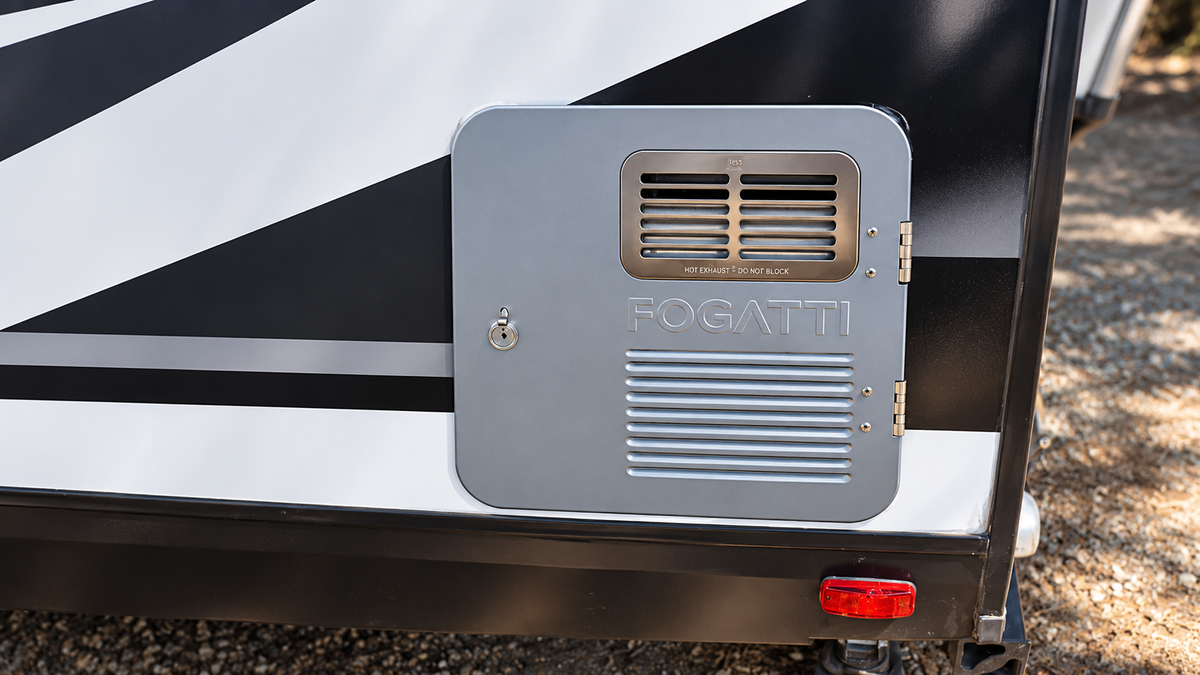
Choosing a FOGATTI InstaHeat Furnace
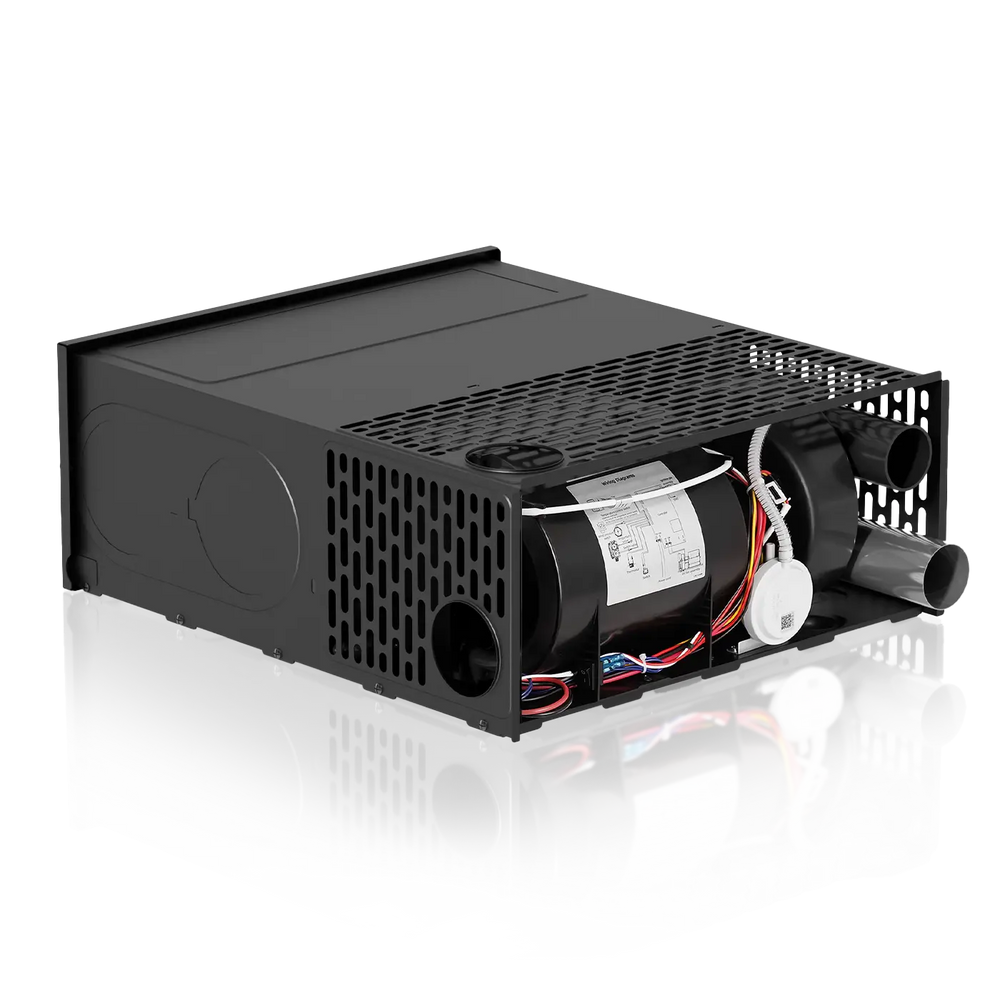
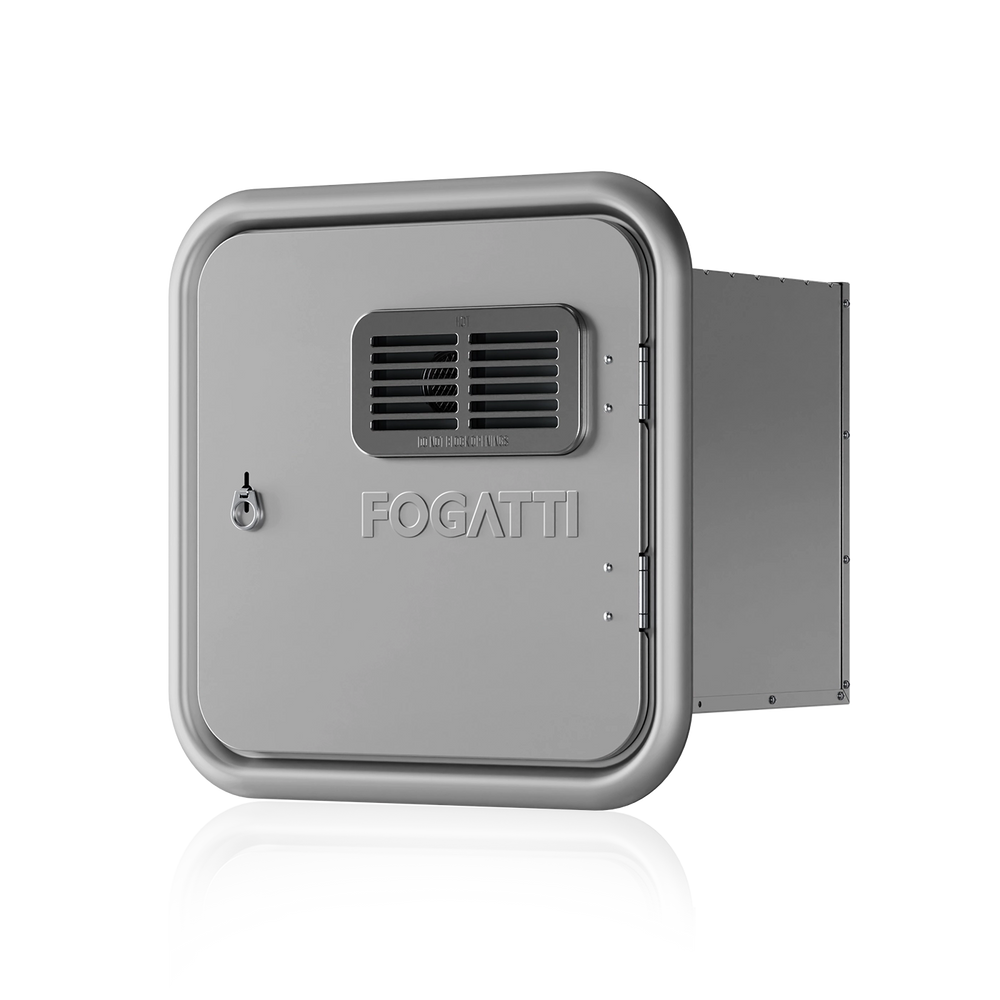
Our InstaHeat lineup includes options for different RV setups:
- InstaHeat 20K Compact: A 20,000 BTU direct-discharge furnace designed for compact RVs and compatible Suburban NT-SEQ replacements.
- InstaHeat 25K & InstaHeat 30K: Propane furnaces for compatible ducted heating systems, offering different heating capacities to suit your RV.
- InstaHeat 35K: Four selectable heating levels from 17,000 to 35,000 BTU, plus Rapid, Standard, and Sleep modes. Sleep mode operates at just 40 dB for quieter overnight heating.
Frequently Asked Questions
Does a Higher Thermostat Setting Heat the RV Faster?
On a typical single-stage furnace, raising the setting mainly keeps it running longer. Select a comfortable temperature and let the heating cycle do its job. Furnaces with selectable output levels may offer separate heating modes.
Should the Furnace Run Continuously on a Cold Night?
Longer cycles can be normal in cold weather. If it runs continuously without reaching the selected temperature, check for blocked airflow and obvious heat loss. Persistent poor heating needs further inspection.
Stay Ready for Colder Trips
Run the furnace before leaving home, learn its normal startup and shutdown sounds, and keep its air paths clear. A little familiarity makes it easier to spot problems early and enjoy a warmer, more comfortable trip.
Planning an upgrade? Find an RV furnace that fits your setup and the way you camp.