


An RV furnace may sit unused for months between cold-weather trips. Before temperatures drop, a few simple checks can help you spot visible issues and make sure the furnace is ready before you rely on it for heat.
Here’s what to check before putting your RV furnace back to work for the season.
Start With a Few Basic Checks
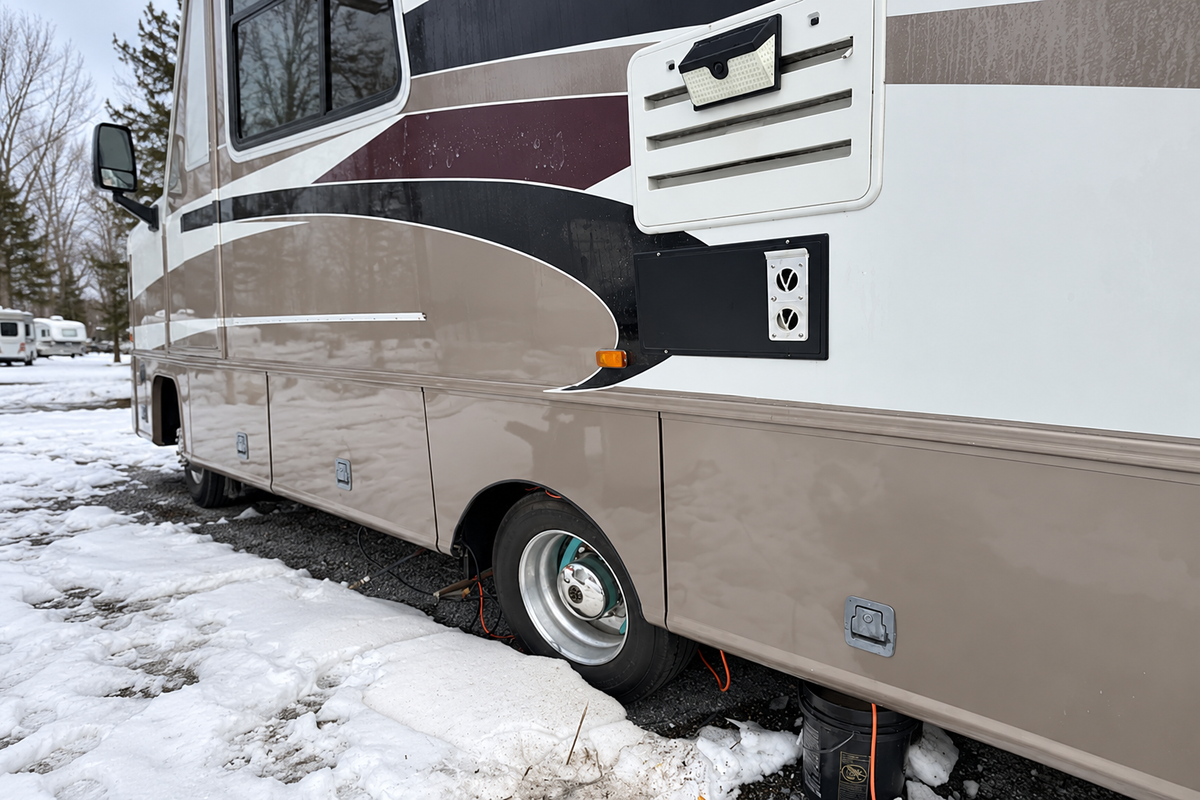
Begin outside at the exterior furnace vent. Check for leaves, dirt, snow, insect debris, or anything else that could block the opening.
During the heating season, inspect the vent monthly for visible obstructions or black soot. Soot can indicate incomplete combustion. If you find it, turn off the furnace and have it inspected by a qualified service technician before using it again. Do not simply wipe it away and continue operating the furnace.
Do not install aftermarket screens over the furnace vent, as they can restrict the airflow needed for proper operation.
Inside the RV, keep the return-air area and heat outlets clear. Bedding, luggage, pet hair, lint, and stored items can restrict airflow and make it harder for the furnace to circulate heat.
Remove loose dust and lint from areas that are easy to reach, but do not take the furnace apart for routine owner cleaning. If your RV has carpet, bedding, or pets, check accessible areas more often because lint can build up faster.
On current FOGATTI RV furnace models, the motor is permanently lubricated, so routine motor oiling is not required.
Run the Furnace Before Your First Cold Trip
One of the easiest preseason checks is to run the furnace before you actually need it overnight.
Set the thermostat above room temperature and confirm that the blower starts, the burner ignites, and warm air reaches the heat outlets. Let the furnace complete a normal heating cycle.
The goal is not to diagnose every sound or operating detail, but simply to confirm that the furnace starts and produces heat before your first cold-weather trip.
A furnace that has been unused for several months can still collect dust, lint, or insect debris, so inspect and test it before putting it back into regular use.
Keep Annual Service Up to Date
Owner checks are only part of furnace maintenance. Have a qualified RV service technician inspect and service the furnace annually, following the maintenance instructions for your specific model.
Depending on the model, annual service may include checking the installation and mounting, venting, ducting, gas piping, combustion chamber, combustion-air and exhaust passages, return-air path, and sealing components.
The technician should inspect and clean the main burner, inspect the venting system and gaskets, and remove dust or lint from the blower wheel as specified in the furnace manual.
These jobs go beyond removing dust from an accessible area. Burner, combustion-chamber, gas-system, and other internal service should be handled by qualified personnel.
Quick RV Furnace Maintenance Checklist
Before heating season: Inspect the exterior vent, clear the return-air area and heat outlets, remove visible dust and lint, and run the furnace to confirm that it produces heat.
During heating season: Check the exterior vent monthly for soot and visible obstructions, and keep airflow paths clear.
After extended storage: Inspect visible areas and test the furnace before relying on it for heat.
Annually: Have a qualified RV service technician inspect and service the furnace according to its maintenance requirements.
A preseason check does not need to become a repair project. Keep the vent and airflow paths clear, test the furnace before cold weather arrives, and keep up with routine service.
If you smell propane, get everyone out of the RV immediately. Do not operate switches or appliances inside. Once safely away, contact your propane supplier. If you cannot reach them, contact emergency services. Do not re-enter until it is safe to do so, and do not use the furnace again until the propane system has been checked.
Planning to replace or upgrade your furnace? Explore our RV Furnace options.
If your furnace is having trouble starting, staying on, or producing heat, see RV Furnace Not Working? 5 Things to Check First.