


The 69% Statistic Every Pet-Owning RVer Should Know
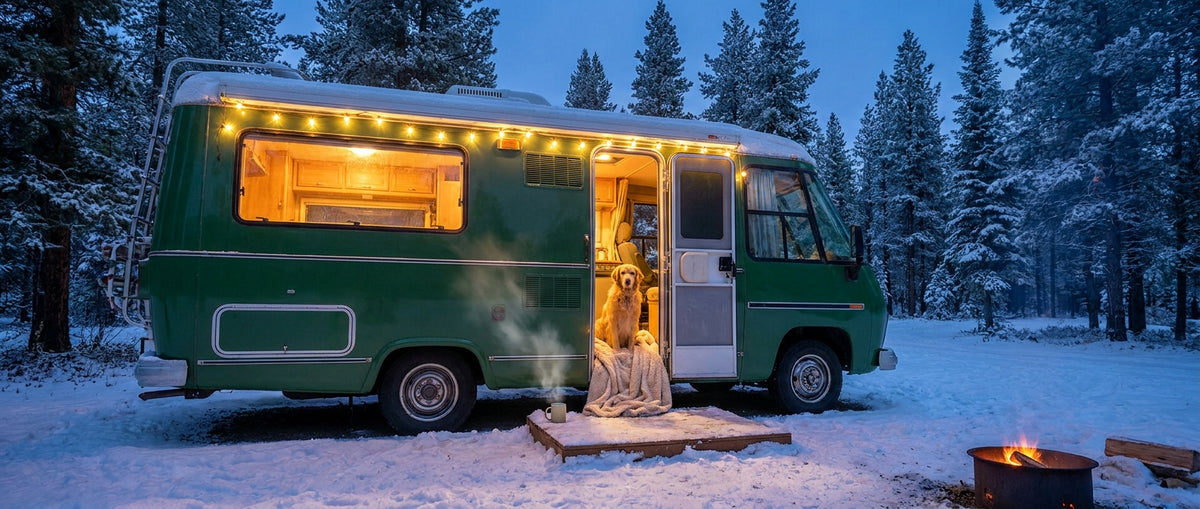
The numbers tell a clear story. According to the RVIA 2026 Winter Travel Intentions Survey (conducted by Cairn Consulting in October 2026 with 1,808 respondents), 69% of RVers plan to bring their pets on some or all winter trips. That figure is significantly higher than the 56% of other leisure travelers who say the same.
The scale is enormous. An estimated 11.4 million Americans plan Thanksgiving RV trips this year, with another 11.2 million hitting the road for Christmas. That is a lot of dogs and cats riding shotgun.
This is not a casual preference. The 2025 Go RVing RV Owner Demographic Profile found that 43% of RVers say the ability to bring pets was a crucial factor in their original RV purchase decision. Meanwhile, 51% of pet parents say they would rather travel with their pet than a human companion, and 73% specifically choose road trips so their animals can come along.
Your rig's heating and hot water systems are the two most critical variables keeping pets safe when holiday temperatures drop overnight. Comfort upgrades become safety equipment the moment your four-legged family member steps aboard.
Why Winter Is the Riskiest Season for Pets Inside an RV
Pets and cold weather follow hard thresholds, not gradual discomfort. Veterinary guidelines are specific: below 45°F, both dogs and cats begin experiencing discomfort. Once temperatures drop to 20°F, most dogs face serious risk of frostbite and hypothermia. For cats, sub-freezing temperatures create a high risk of hypothermia regardless of breed.
The real danger is not the temperature when you zip into your sleeping bag. It is what happens at 3 a.m. RV interiors lose heat fast once the furnace cycles off between heating periods. The cozy 65°F you fell asleep in can slide toward 40°F by dawn, especially in a poorly insulated travel trailer parked in mountain air.
Most RV safety content focuses on summer heat, and for good reason: a tripped breaker can push an RV interior past 94°F during a short errand in desert conditions. Winter cold works the same way, just more slowly and invisibly. Your dog will not bark at a dropping thermostat the way they would pant in the heat.
Multi-pet households face compounded risk. RVIA data shows 87% of pet-owning RVers travel with dogs and 52% travel with cats. Dogs and cats have different cold tolerances, different resting spots in the rig, and different ways of showing distress. A cat curled behind the dinette cushion might be dangerously cold long before you notice.
Pets cannot self-regulate their environment or alert you to a failing furnace. Reliable, monitored climate control is non-negotiable when animals are aboard.
The Propane Math Every Pet Owner Needs to Do Before Leaving Home
Here is a number that surprises most RVers: a standard 22,000 BTU RV propane furnace burns approximately 1 pound of propane per hour. A standard 20-lb cylinder gives you roughly 20 hours of heat — often less than two full nights of continuous furnace operation in genuinely cold weather.
Consider a real scenario. You are planning a three-night holiday trip to a campground where overnight lows hit 30°F. To keep your rig's interior above the 45°F pet-safety threshold, your furnace will run heavily, especially between midnight and sunrise. At roughly 8 to 10 hours of furnace run-time per night, you are looking at 24 to 30 hours of heat across three nights. That is more than one 20-lb cylinder and potentially close to two.
A common misconception among newer RVers is that propane can freeze. LP gas actually stops vaporizing at −44°F, so the gas itself will not be your problem in any realistic winter camping scenario. The real cold-weather failure points are regulator icing and low-tank pressure, both of which become more likely as your cylinder empties in freezing conditions.
Our recommendation: carry at least one full backup 20-lb cylinder on any multi-night winter pet trip, and map out campground propane refill locations along your route before you leave. Running out of propane at 2 a.m. with a Labrador and two cats aboard is not a situation you want to troubleshoot in the dark.
One often-overlooked benefit of running your furnace: it substantially lowers relative humidity inside the rig, which minimizes condensation on walls and windows. That is a hidden win for respiratory health, especially for cats and small dogs who are more sensitive to damp, stuffy air.
Hot Water in Freezing Weather: Why It Matters More Than You Think for Pets
Most RVers think of hot water as a human comfort — showers, dishes, maybe a cup of tea. When you are traveling with pets in winter, hot water becomes a genuine care tool.
Think about what happens after a winter hike. Your dog's paws are packed with ice, road salt, or chemical deicers that are toxic if licked. A warm water rinse removes those hazards quickly. Muddy winter coats need washing before your dog tracks half the trail onto your bedding. A cold, wet animal coming in from snow needs a warm rinse, not a cold-water shock.
Your water heater choice matters here. RV water lines need cold-weather precautions starting around 35°F. At a steady 32°F, it takes roughly 24 hours for unprotected pipes to freeze, and that timeline shrinks as temperatures drop further.
Traditional tank water heaters hold several gallons of standing water that can lose heat overnight or, in extreme cold, freeze entirely. Tankless (on-demand) water heaters hold very little standing water and deliver near-instantaneous hot water even in sub-freezing conditions. That is a meaningful difference when you need to bathe a shivering dog at 6 a.m. without waiting 20 to 30 minutes for a tank to reheat.
Reliable hot water also supports the broader pet-care routine in cold weather: warm water for hydration bowls (pets drink more when water is not ice-cold), cleaning food dishes to prevent bacterial growth, and keeping pet bedding sanitary in damp, chilly conditions. It is not a luxury. It is infrastructure.
Building a Minimum-Safe Climate System for Your Pet-Friendly Rig
If you are serious about winter travel with pets, think of your rig's climate system as a three-layer safety stack.
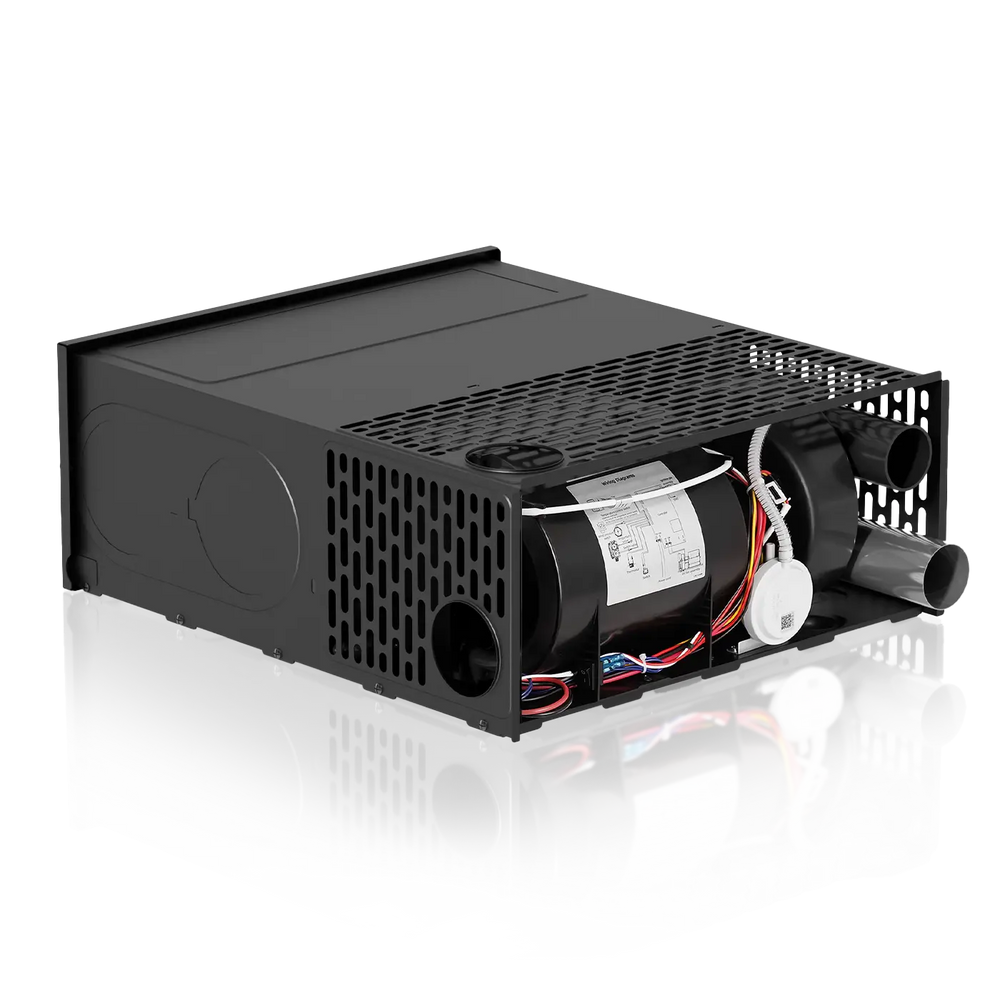
Layer 1: A reliable, properly sized furnace. Your furnace needs enough BTU output to maintain an interior temperature above 45°F at your destination's expected overnight low. Undersizing here is not just uncomfortable; it is a pet-safety failure.
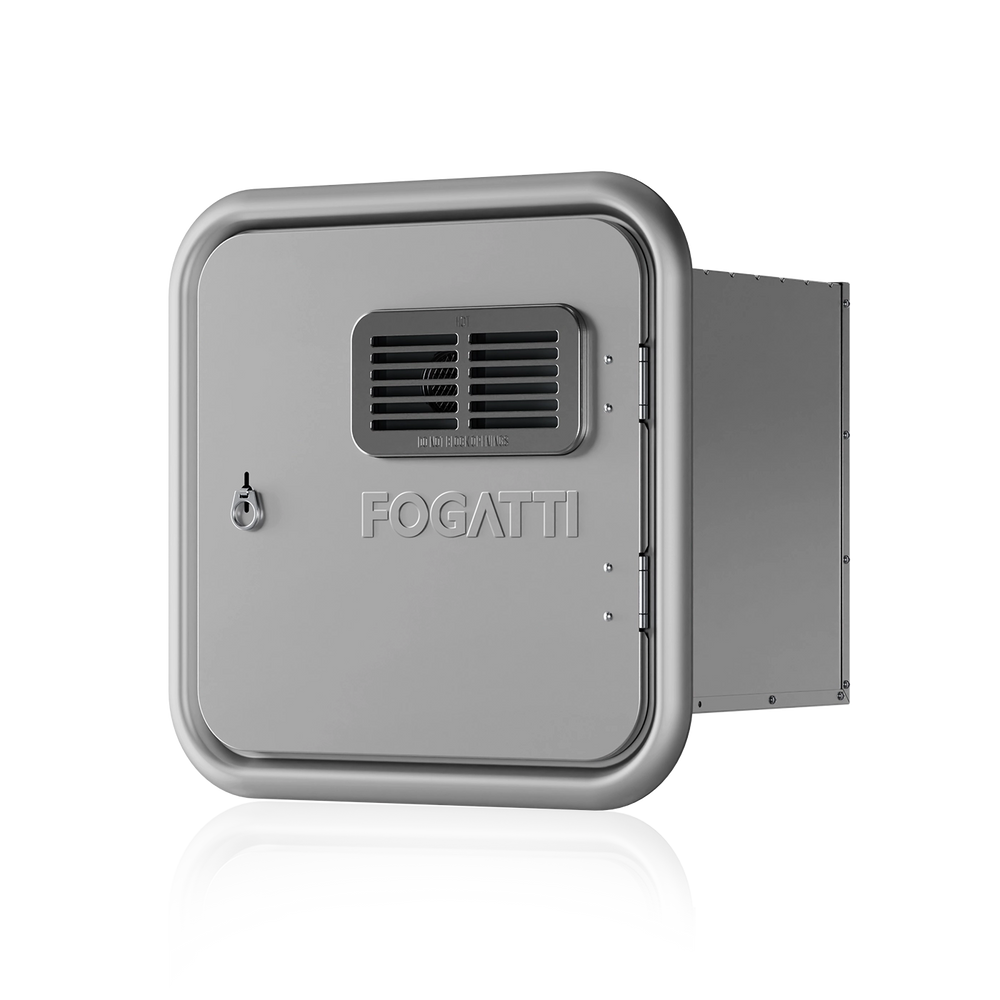
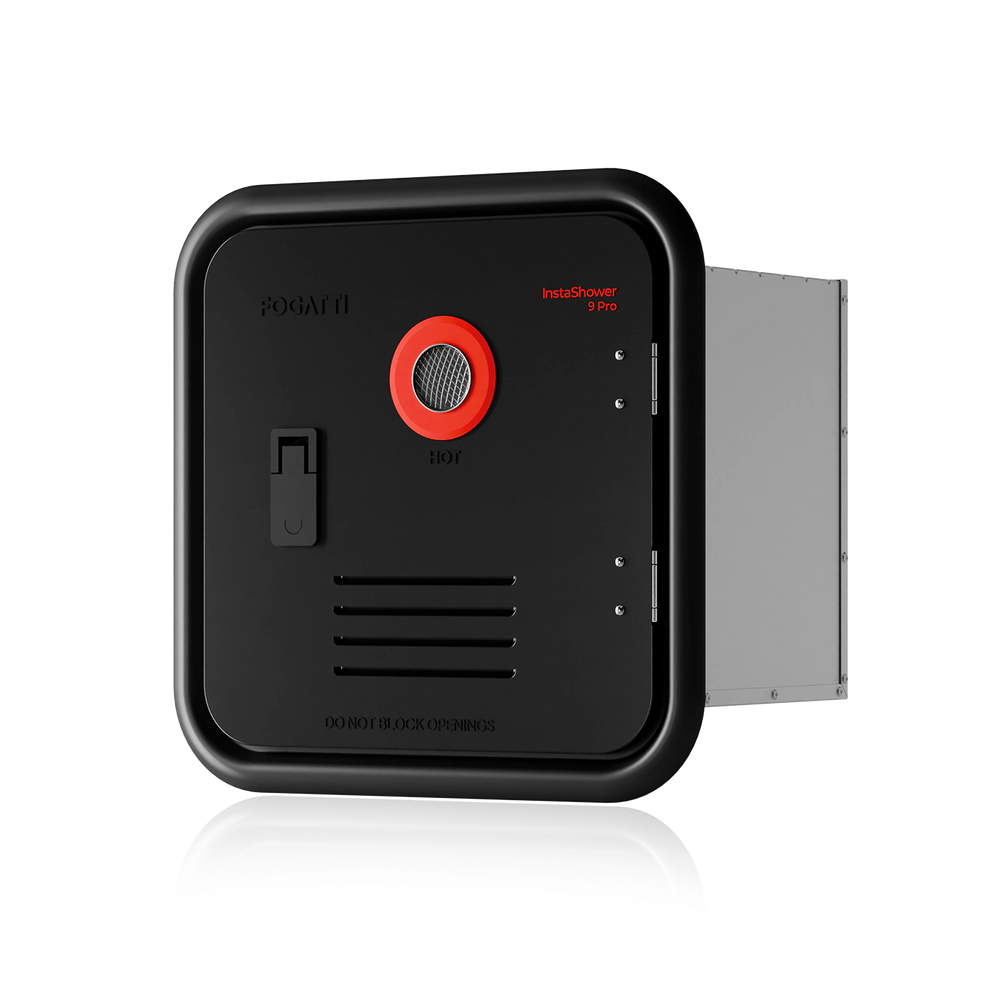
Layer 2: A tankless water heater. On-demand hot water regardless of outdoor temperature means you are never caught without the ability to warm up a cold animal, clean paws, or maintain sanitary conditions. No waiting, no worrying about a frozen tank.
Layer 3: Redundant monitoring. Cellular-based temperature monitors (products like Waggle are popular in the RV community) are the minimum standard for anyone who leaves pets unattended, even briefly. These devices send real-time alerts to your phone if the interior temperature drops below a threshold you set, such as 45°F. Pair that with a camera featuring two-way audio so you can visually check on your pets and provide a calming voice if the furnace cycles loudly or startles them.
You also need a defined backup plan. A secondary electric space heater on shore power, a pet-safe heated blanket, or a campground pet-boarding contact can be the difference between a manageable hiccup and a genuine emergency if your primary heating system fails overnight.
Fogatti has been engineering RV heating and hot water systems since 2003, serving over 800,000 customers and supplying OEM components to leading manufacturers like Forest River and Gulf Stream. If you are unsure which furnace BTU output or tankless water heater capacity matches your specific rig size and winter destination, our Help Me Choose advisor tool walks you through the decision step by step.
Quick Pre-Trip Checklist for Holiday RV Pet Travel
- Propane supply: Calculate hours of furnace heat needed based on trip length and overnight low temps. Carry at least one backup 20-lb cylinder.
- Water system: Inspect water lines and insulate any exposed pipes before departing. Confirm your water heater (tankless preferred) is winterized or actively heated and functioning.
- Temperature monitor: Set and test your cellular temperature monitor before leaving home. Confirm alerts fire correctly on your phone at your chosen pet-safe threshold (45°F minimum).
- Pet cold-weather gear: Pack insulated bedding, a coat for short-haired dogs, paw wax or booties for icy terrain, and a dedicated warm-water rinse kit for post-hike cleanup.
- Emergency contacts and stops: Identify propane refill stations and emergency veterinary clinics along your route before departure, not after an overnight temperature event.
Print this list or save it to your phone. Running through it the day before you leave takes ten minutes and eliminates the most common winter pet-travel failures.
Your Pet Deserves a Rig That's Ready for Winter
Sixty-nine percent of holiday RVers are already bringing their pets along. The question is not whether pets belong in your rig. It is whether your heating and hot water systems are actually built for that responsibility.
The propane math, the pet temperature thresholds, the advantages of tankless hot water: they all point to the same conclusion. Preparation is the difference between a memorable holiday trip and an emergency. A properly sized furnace, an on-demand water heater that works in freezing conditions, and a monitoring system that alerts you before things go wrong — that is the formula.
If you are ready to match the right equipment to your rig, start with Fogatti's Help Me Choose tool or browse our full lineup of RV tankless water heaters and heating products. Every unit ships free with a 2-year warranty and our price guarantee.
We would love to hear from you. If you have a winter pet-travel setup that works, a lesson learned the hard way, or a photo of your dog in a campground snowdrift, share it with our community. The best tips always come from the road.