


11.4 Million RVers Are Hitting the Road — Is Your Rig Ready?
According to the RVIA 2026 Winter Travel Intentions Survey (conducted in October 2026 with over 1,800 respondents), 11.4 million Americans plan to take an RV trip over Thanksgiving, and 11.2 million plan to do the same over Christmas. Those are the largest winter RV travel seasons on record.
The top reason? Affordability. A full 63% of winter RVers chose RV travel specifically to save money, which means an unexpected appliance breakdown hits twice as hard. You came out here to spend less, not more.
Here's an important distinction: this checklist is for active holiday travel, not winterization for storage. Those two require opposite actions. You're keeping your systems running, not shutting them down. November service appointments book out weeks in advance, and campground spots are filling fast. The time to act is now.
This guide covers the three appliance categories that matter most for cold-weather road trips: your furnace, your water heater, and your rooftop AC unit.
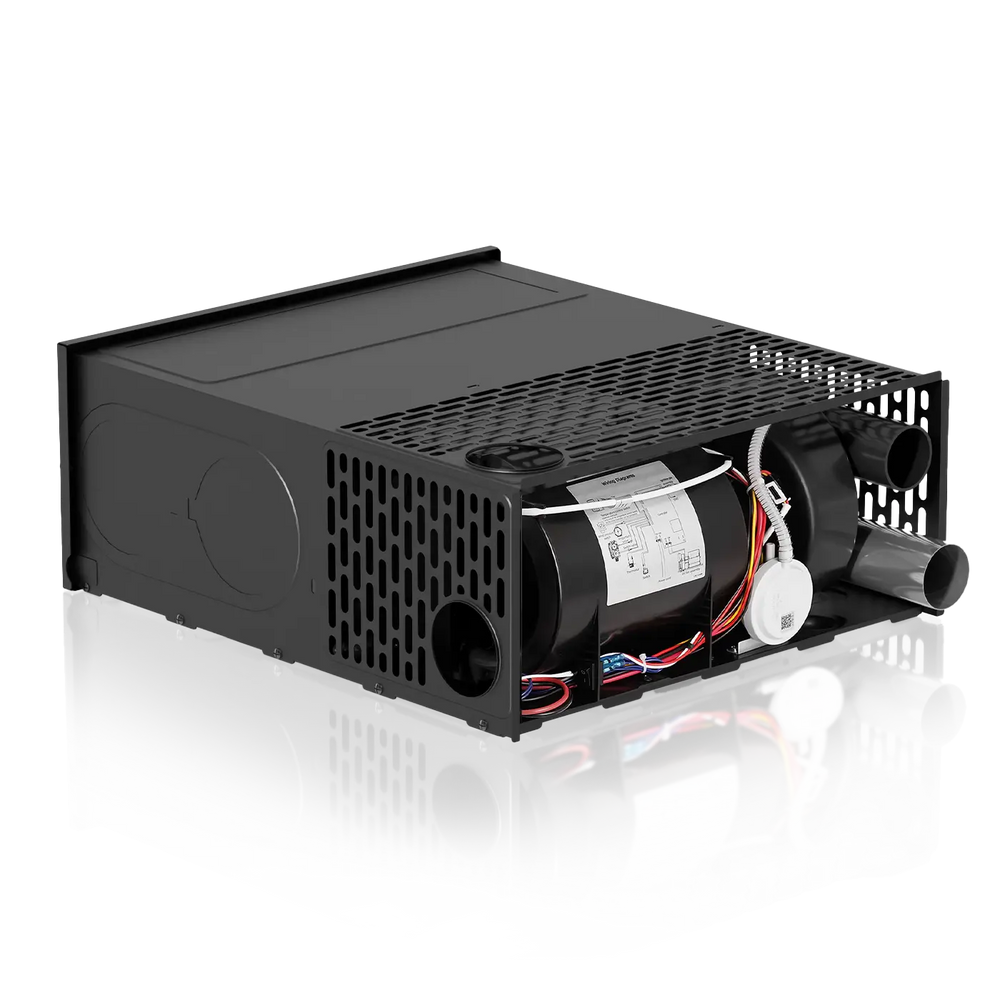
RV Furnace Readiness: Test It at Home Before You Leave
The first cold night at a campground is the wrong time to discover your furnace won't fire. Always run a full heating cycle at home before you depart. Turn the thermostat up, listen for ignition, feel for warm air at the vents, and let the system cycle through completely. If something's off, you still have time to fix it.
The three most common furnace failure causes are all preventable:
- Low 12V battery voltage to the furnace electronics. A weak house battery can prevent the control board from initiating the ignition sequence.
- Empty or low propane supply. Sounds obvious, but it catches people every year.
- Blocked intake or exhaust vents. Leaves, debris, or (more commonly than you'd think) insect nests can obstruct airflow and shut the system down.
On the subject of insect nests: the odorant added to propane actually attracts spiders and mud daubers. If your RV has been sitting since summer, there's a real chance something has built a home inside your furnace burner tube. Visually inspect and clear the burner tube before your first test run. A flashlight and a careful look can save you a service call.
If your furnace blows air but won't ignite, the culprit is often a sticking sail switch. This small component confirms adequate airflow before allowing ignition. When it sticks, the furnace fan runs but the burner never lights. If you notice this symptom, a technician can usually resolve it quickly, but only if you catch it before you're 300 miles from home.
Cold weather introduces another risk: propane vapor pressure. When your LP tanks drop below 1/4 full in cold temperatures, vapor pressure falls sharply and the furnace may fail to ignite even though there's still liquid propane in the tank. Fill your tanks to at least 3/4 capacity before departure.
The cost of skipping this inspection is real. Furnace component repairs run $165 to $580, and a full furnace replacement can cost $900 to $2,600 at 2026 rates. A 30-minute check at home is one of the highest-ROI investments you can make before a holiday trip.
One more tip: set your furnace thermostat to at least 50°F as a baseline during travel. This helps protect plumbing compartments from freezing. Keep in mind that a thermostat reading in the living area doesn't guarantee warmth in every pipe bay or underbelly compartment.
RV Water Heater Readiness: Tank-Style vs. Tankless — Two Different Checklists
Since you're heading out for a holiday trip, you're keeping your water heater operational. This is not the time to bypass the heater or drain it for storage. That said, the prep steps differ significantly depending on whether you have a tank-style or tankless unit.
Tank-Style Water Heaters
Start with the anode rod. Pull it out and inspect it. If it's more than 75% depleted, replace it before your trip. This is one of the most frequently skipped maintenance steps, and it leads directly to tank corrosion and poor water quality on the road.
Next, flush sediment from the tank (most RV water heaters hold 6 to 10 gallons). Check the pressure relief valve to confirm it opens and reseats properly. And just like the furnace, inspect the burner tube for spider or insect nests. The same propane odorant that attracts critters to your furnace does the same to your water heater.
Tankless Water Heaters
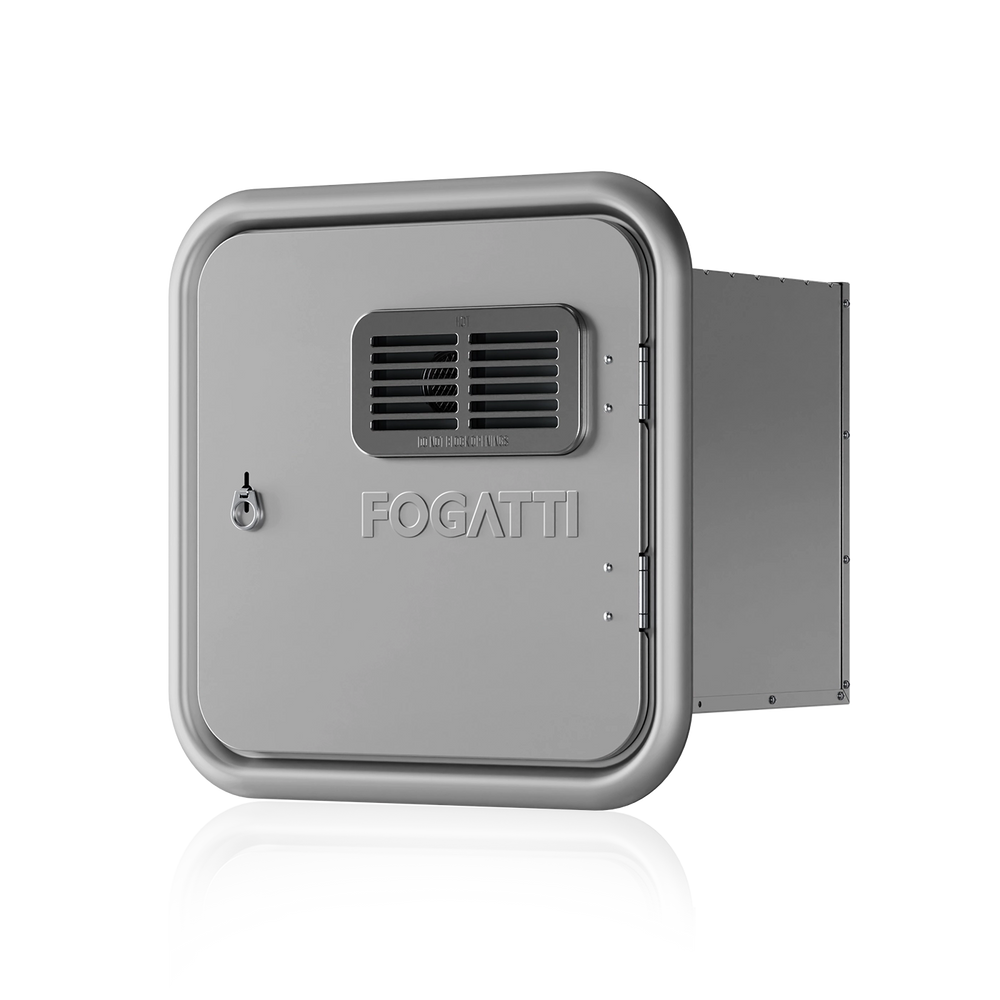
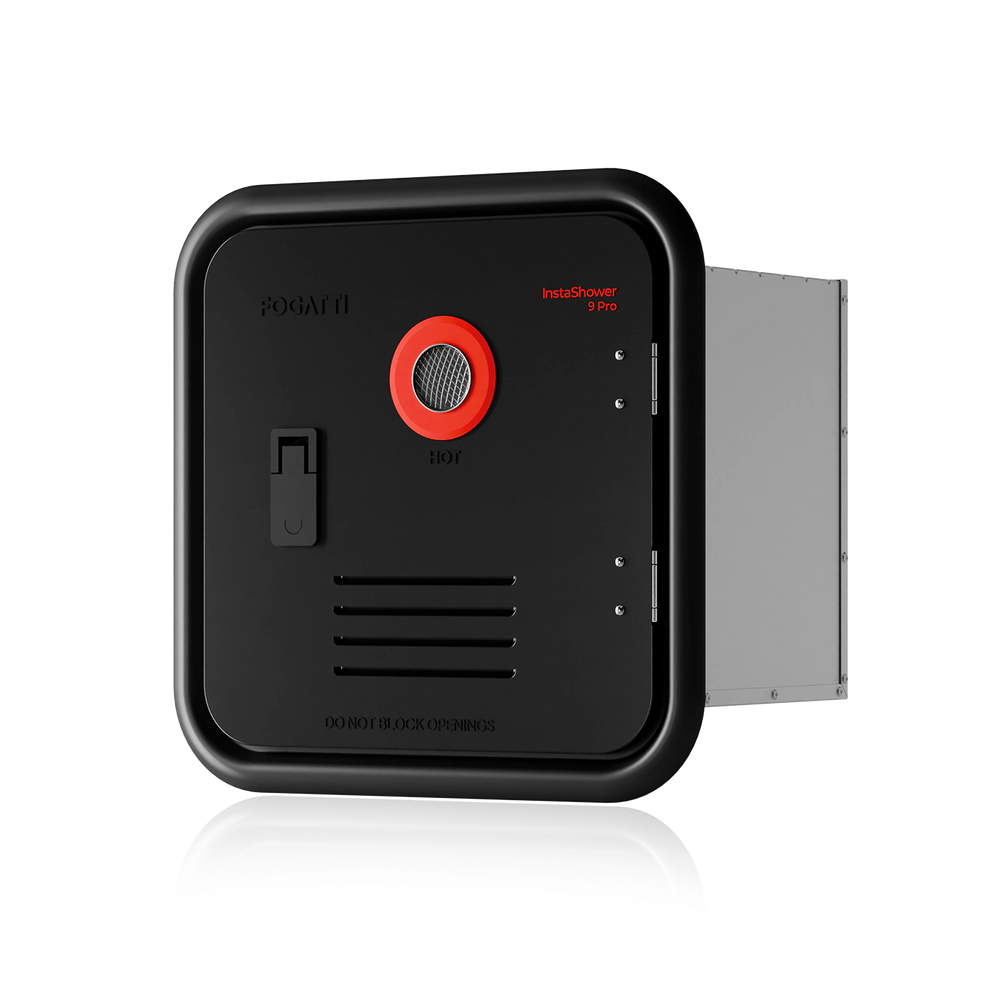
With a tankless unit like the Fogatti InstaShower series, there's no large tank to drain or anode rod to inspect. Fogatti has been engineering RV appliances since 2003 and serves more than 800,000 customers worldwide, designing these units for the realities of road life. Water can still be trapped internally in the supply lines, however. If you expect temperatures to drop below freezing during your trip, a compressed-air blow-out or antifreeze flush of the unit's supply lines is a smart precaution.
Here's something many RVers learn the hard way: running a furnace and a tankless water heater simultaneously on the same LP supply can cause a pressure drop, leading to ignition failure in one or both appliances. When propane demand spikes, stagger your high-demand use. Run the furnace, let it cycle, then fire up the hot water. And keep those tanks full.
Regardless of your water heater type, check the burner tube for nests and debris, especially after months of summer storage.
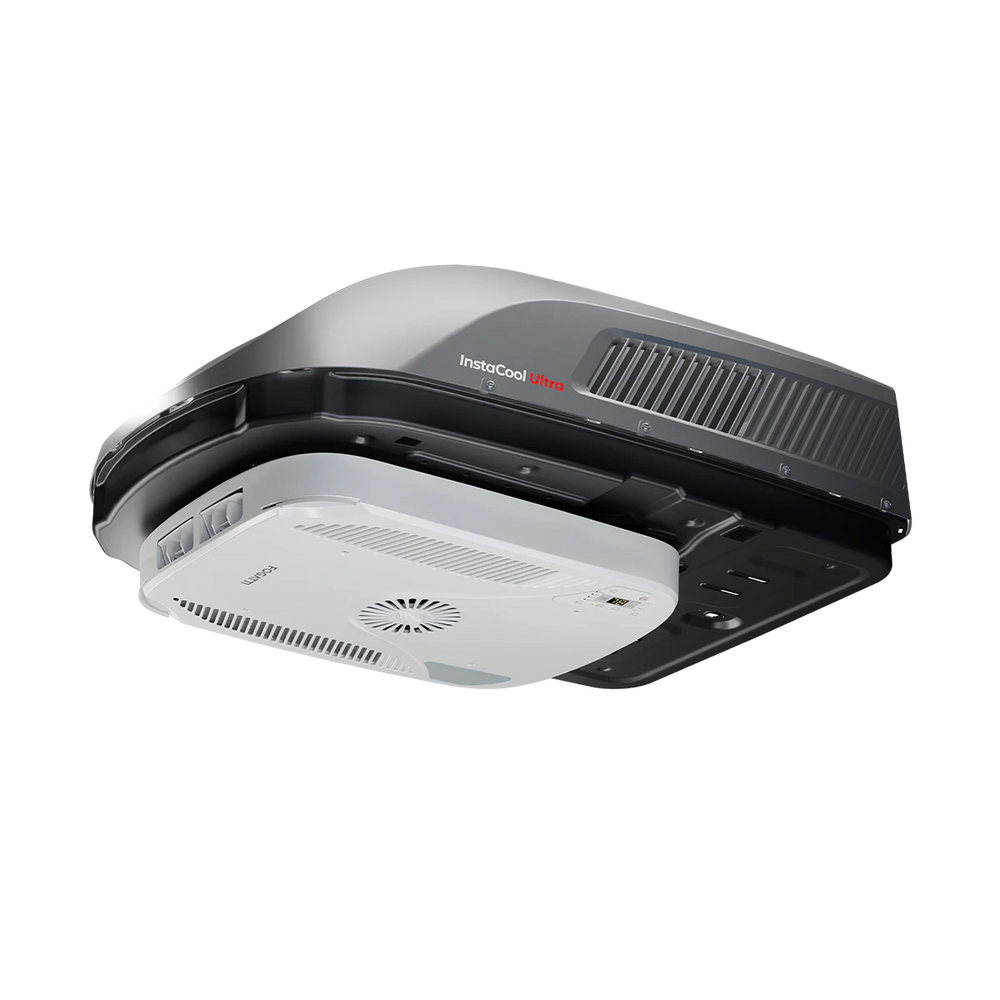
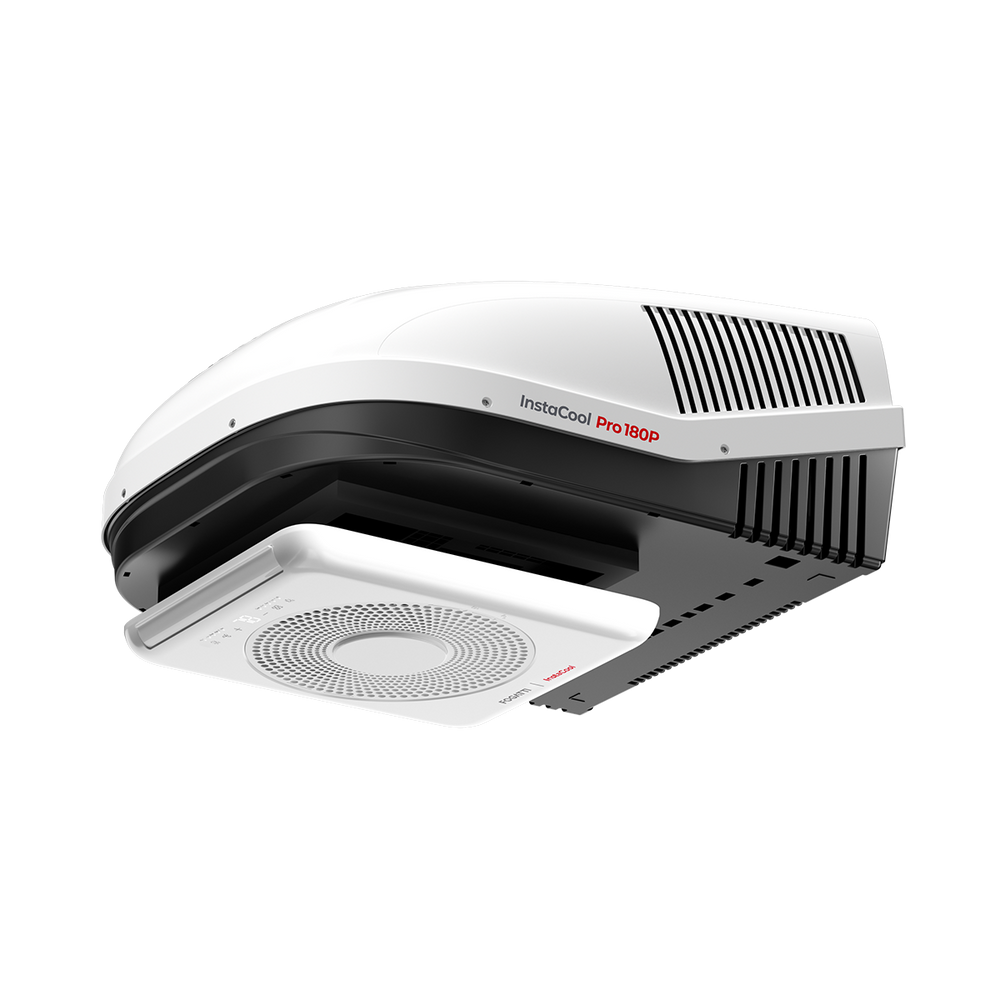
Rooftop AC Readiness: Cover It, Inspect It, or Use It as a Heat Pump
Standard rooftop AC units aren't designed to run in cooling mode during cold weather. But the unit still needs attention before a winter trip, even if you won't be cooling the rig.
If your rooftop AC is a heat pump model, it can function as a supplemental heat source when outdoor temperatures stay above roughly 40°F. This strategy is gaining traction among full-timers because it reduces furnace load and propane consumption. If you have a heat pump AC, test it in heating mode before you leave.
For non-heat-pump units, your priority is preventing the rooftop opening from becoming a source of cold drafts and moisture. Inspect the unit's gasket and seal integrity carefully. A compromised seal lets cold air and water infiltrate the RV interior. Install an insulated AC cover before departure to block drafts and protect the unit from winter weather.
Even in November, clean or replace the AC filter. Clogged filters reduce cooling efficiency by up to 15% and force the compressor to work harder, shortening the unit's lifespan. It takes five minutes and protects the unit for spring.
Finally, inspect the rooftop shroud for cracks, debris, or damage from summer use. Any opening in that shroud can allow cold air or water to reach components that weren't designed for direct exposure.
Safety Checks You Cannot Skip: CO Detectors, LP Detectors, and Propane Strategy
When your furnace and water heater are running continuously through cold nights in a sealed RV, carbon monoxide risk increases. Test your CO and LP gas detectors before departure. Press the test button, confirm the alarm sounds, and replace the batteries.
Check the expiration date printed on each detector unit. Most CO and LP detectors have a 5 to 7 year lifespan. If yours is expired, replace it. A detector past its service life may not respond when it matters most.
Before your first furnace or water heater run, confirm all propane connections are leak-free. Apply soapy water or an approved leak detector solution to every fitting and watch for bubbles. This takes minutes and costs almost nothing.
Fill your LP tanks to at least 3/4 capacity before you leave. Cold temperatures cause vapor pressure to drop sharply when tanks fall below 1/4 full, which can knock out both your furnace and water heater at the same time. On a freezing night with the family asleep, that's not a scenario you want.
If you're unsure whether your current water heater or heating setup is optimized for cold-weather holiday travel, Fogatti's "Help Me Choose" advisor tool can walk you through your options based on your specific rig and travel plans.
Your November Appliance Readiness Checklist at a Glance
Complete this checklist at least one week before departure to allow time for service appointments if you find issues.
Furnace
- Run a full furnace heating cycle at home
- Check 12V house battery voltage
- Inspect burner tubes for spider and insect nests
- Test the sail switch (fan blows, burner ignites)
- Fill LP tanks to 3/4 or more
- Set thermostat baseline to at least 50°F for plumbing protection
Water Heater
- Inspect and replace the anode rod if more than 75% depleted (tank-style)
- Flush sediment and check the pressure relief valve (tank-style)
- Blow out or flush internal supply lines if freezing temps are expected (tankless)
- Inspect the burner tube for nests and debris
Rooftop AC
- Inspect gasket and seal integrity
- Install an insulated AC cover (non-heat-pump units)
- Clean or replace the AC filter
- Check the rooftop shroud for cracks or damage
Safety
- Test CO and LP gas detectors; replace batteries
- Verify detector expiration dates; replace if expired
- Leak-test all propane connections with soapy water
- Confirm LP tanks are filled to at least 3/4 capacity
Have your own pre-trip checklist tips or a holiday RV travel story worth sharing? Drop your experience in the comments or tag us on social. The Fogatti community is built on real RV owners helping each other get the most out of every mile.
Hit the Road Confident This Holiday Season
A few hours of appliance prep now can prevent a breakdown that costs $165 to $2,600 and puts a serious dent in your family's holiday plans. With 11.4 million RVers heading out this Thanksgiving, the roads and campgrounds will be full and roadside service will be stretched thin. You don't want to be waiting in line for a repair that could have been avoided.
Reliable appliances are what turn a road trip into a holiday memory worth repeating. That's what we build for at Fogatti, and it's what we've been doing since 2003 as a trusted OEM supplier to brands like Forest River and Gulf Stream.
If your pre-trip inspection reveals it's time for an upgrade, explore our full product ecosystem of tankless water heaters, furnaces, and AC units. Not sure what fits your rig? Our "Help Me Choose" advisor tool will point you in the right direction. Safe travels this holiday season.