


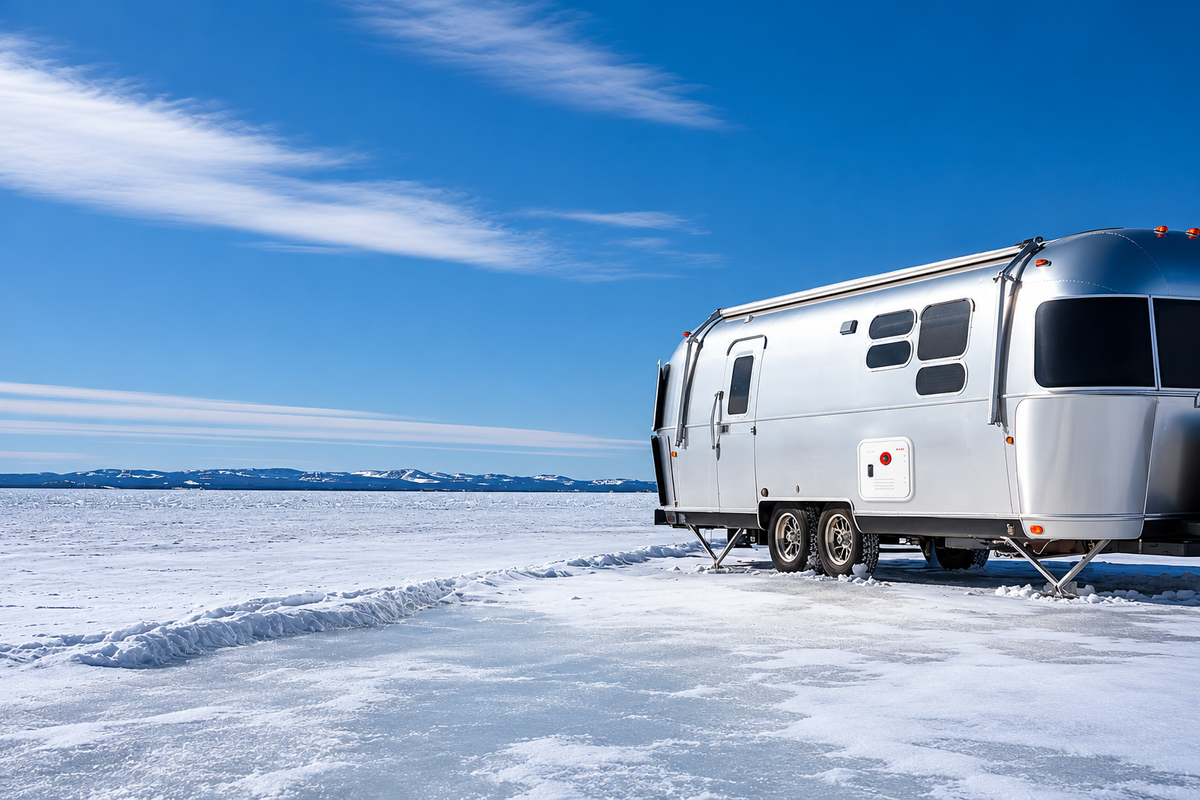
Winter RV Camping for Beginners: What to Know Before Your First Trip
Winter RV camping has a different rhythm from a summer trip. Snow-covered campsites, quiet mornings, and returning to a warm RV after a cold day can make the experience memorable.
Cold weather also puts extra demands on your RV’s heating, plumbing, and electrical systems. Even if the living area feels warm, some tanks and water lines may still be exposed to freezing temperatures.
Planning your first winter RV trip? This beginner’s guide explains what to check before you leave and what to monitor at the campsite.
Table of Contents
Check Whether Your RV Is Ready for Winter
Before planning a cold-weather trip, check your RV’s owner’s manual and ask the manufacturer or a qualified RV service technician how your specific model is designed to handle low temperatures.
Look for information about:
- Whether the RV is designed or equipped for cold-weather use
- Which water lines, tanks, and plumbing areas are exposed to cold
- How the heating system should be used and maintained
- Any temperature limits or cold-weather operating instructions
Terms such as “four-season” can mean different things across RV models. Don’t assume that a warm interior means every water line or tank is protected from freezing. When in doubt, check the manual or contact the manufacturer before traveling in freezing temperatures.
You can find FOGATTI product information and manuals on the FOGATTI Technical & Service Manuals page.
Check the Weather, Roads, and Campground
Winter conditions can change quickly. Check the forecast for your entire route and destination, including overnight lows, wind, snow, and possible ice. Leave extra time for slower driving, and be prepared to change your plans if road conditions deteriorate.
Before you go, confirm that the campground will be open and ask which services are available in winter. Water hookups, dump stations, and restroom facilities may be limited or closed. Also check the campground’s rules for arrival times, road access, and winter site conditions.
Plan a backup route or a place to stop if weather makes it unsafe to continue. If a winter storm is forecast, postponing the trip may be the safest choice.
Plan How You’ll Stay Warm
Learn how your RV’s heating system operates before the trip. For a preseason furnace check, see our RV Furnace Maintenance Checklist: What to Check Before Heating Season. Follow the manufacturer’s instructions for the furnace and thermostat, and make sure the air returns and heat outlets are not blocked by bags, bedding, or other stored items.
If your RV uses propane for heat, check that you have enough propane for the expected conditions and know how to monitor the supply. Cold weather can increase heating demand, so plan for refills before you run low.
Use portable electric heaters only according to their instructions, with clear space around them and a suitable power source. Never use an oven, stovetop, grill, or outdoor fuel-burning heater to heat the RV interior. Fuel-burning appliances can create carbon monoxide, which is odorless and potentially fatal. Keep carbon monoxide alarms working and follow the RV and appliance manufacturers’ safety instructions. For more information, see the CDC’s carbon monoxide safety guidance.
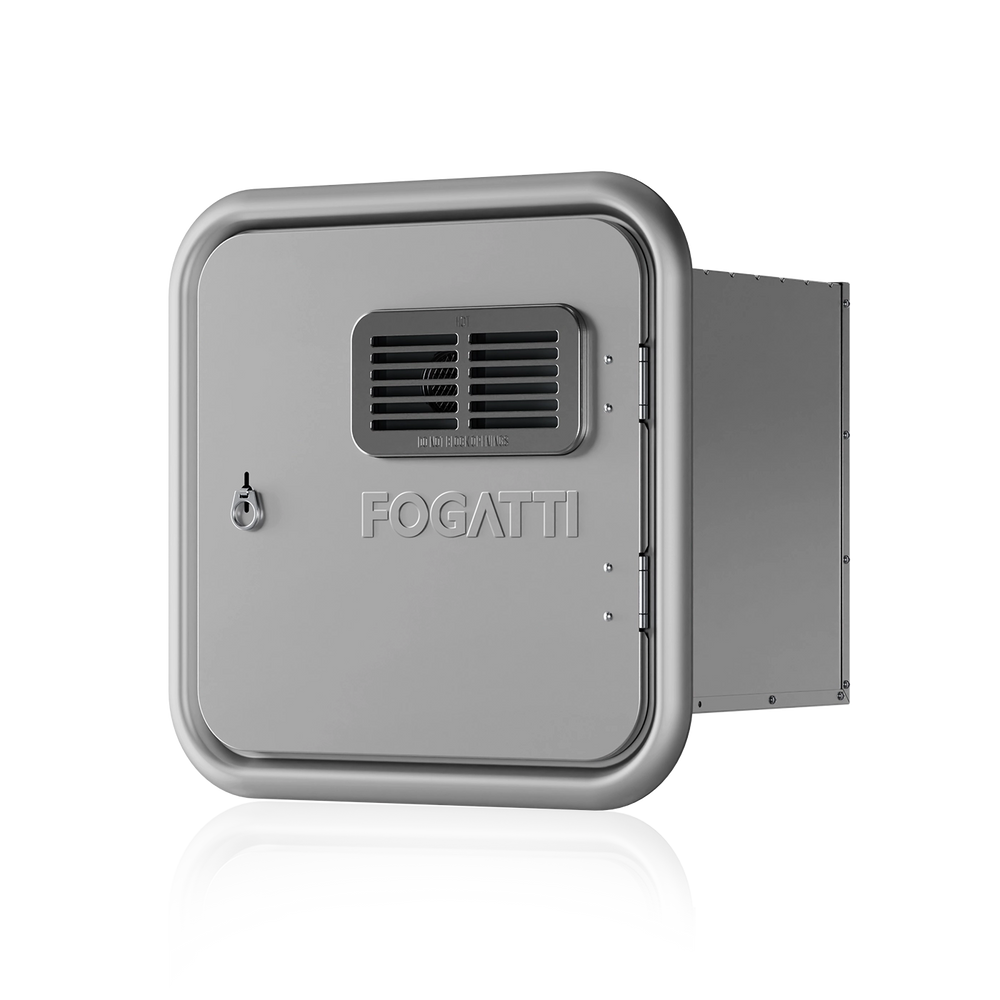
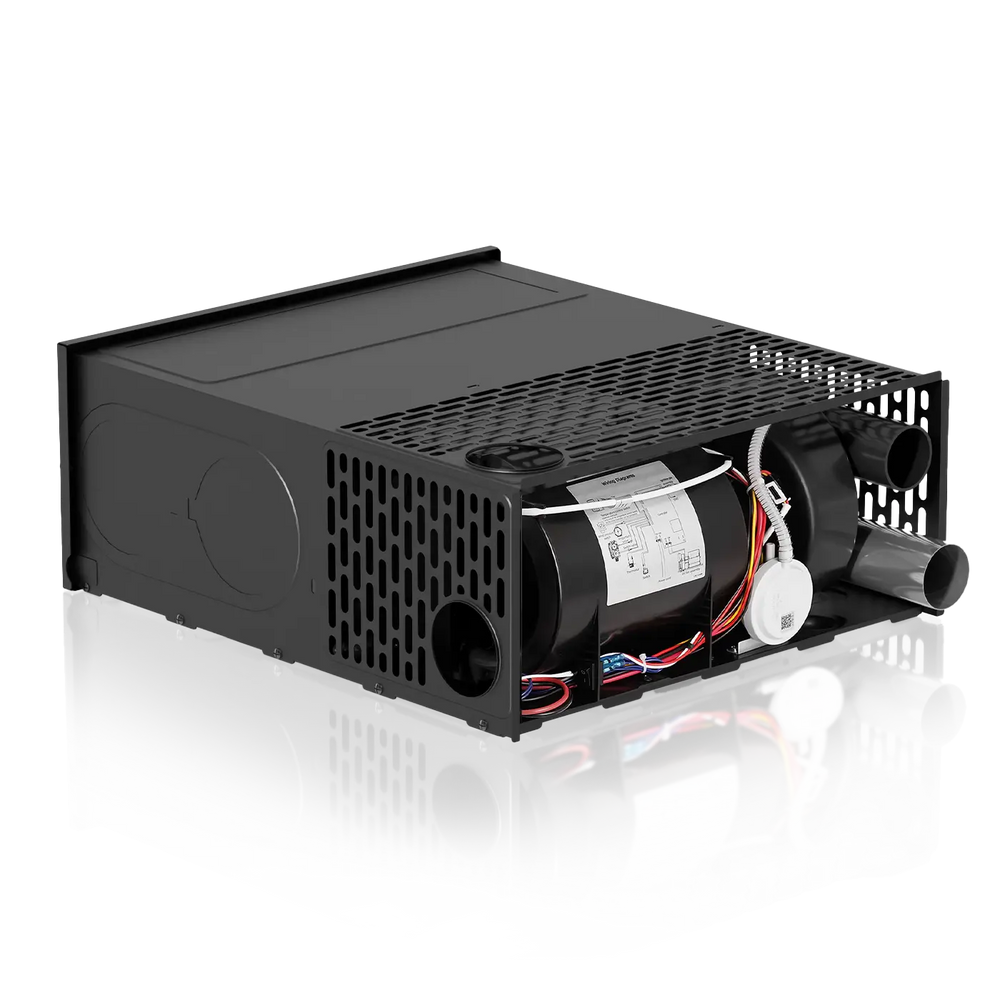
For FOGATTI furnace information, visit the FOGATTI RV furnace collection.
Protect Water Lines From Freezing
Before the trip, identify where your fresh-water tank, water pump, and plumbing lines are located. Check your owner’s manual to learn which areas may need extra protection in cold weather.
At the campsite, decide whether to use the campground water hookup or the RV’s fresh-water tank based on the forecast, your RV’s setup, and the campground’s instructions. If you use a hose, use equipment rated for the conditions and follow its manufacturer’s directions. Disconnect and store the hose when it is not in use if freezing temperatures could affect it.
Some RV water heaters have built-in freeze protection, but it may protect only the heater—not the RV’s external plumbing or water lines. Check your manuals for instructions specific to your setup. If you have a FOGATTI RV tankless water heater, see our water heater winterization guide for cold-weather guidance and winterization steps.
Protect Holding Tanks and Sewer Hoses
Waste tanks and drain lines can also be affected by freezing temperatures. Check your RV manual for cold-weather instructions and find out whether your tanks or plumbing have built-in heating or insulation.
If you are connected to a sewer hookup, follow your RV and campground instructions for using the sewer hose. Leaving a drain valve open continuously can allow liquid to drain while solids remain in the tank. Keep the hose supported and arranged as directed, and protect it from freezing when needed.
Use only products and methods approved for your RV’s plumbing system. If you are unsure how to protect the tanks or lines, ask the RV manufacturer or a qualified service technician before the trip.
Pack for a Winter RV Trip
Cold-weather trips call for a few extra supplies. Pack for both your planned activities and the possibility of delays or changing conditions.
- Warm layers, waterproof outerwear, gloves, hats, and extra socks
- Flashlights or headlamps, with spare batteries
- Drinking water and food in case travel is delayed
- Basic first-aid supplies and any needed medications
- Snow and ice tools suitable for your RV and campsite
- Adapters, hoses, or other cold-weather equipment specified for your RV
- A charged phone and a backup way to access maps and emergency contacts
Check your RV and equipment manuals before packing specialized items. Make sure any tools or supplies are appropriate for your vehicle and do not block vents, exhaust outlets, or access panels.
What to Check During the Trip
Once you arrive, take a few minutes to look over the campsite and your RV before settling in. Check that the furnace exhaust and exterior vents are clear of snow, leaves, and debris. Keep snow from accumulating around doors, steps, and other areas you need to access.
Monitor the interior temperature and keep an eye on the forecast, propane supply, and any exposed hoses or plumbing. Follow your RV’s instructions for heating and water-system operation. If you notice a leak, unusual furnace behavior, a carbon monoxide alarm, or signs that a line may be frozen, follow the appropriate safety guidance and contact a qualified technician when needed.
For general cold-weather RV guidance, see the RV Industry Association’s winter RV information.
Manage Condensation
Cooking, showering, and breathing add moisture to the air inside an RV. In cold weather, that moisture can collect on windows and other cool surfaces. Ventilate the RV as directed by the manufacturer, use exhaust fans when appropriate, and wipe up visible condensation before it accumulates.
Learn more in our guide to reducing condensation in a warm RV.
Final Checks Before You Leave
- Read the owner’s manual and confirm your RV’s cold-weather operating guidance.
- Check the forecast, roads, and campground services.
- Test the heating system and confirm alarms are working.
- Make a plan for fresh water, holding tanks, and sewer connections.
- Pack warm clothing, food, water, and essential winter supplies.
- Know where to get help if weather or equipment changes your plans.
Winter RV camping can be rewarding when you plan for the conditions and understand your RV’s limits. Use your owner’s manual as the source for model-specific instructions, keep checking the weather, and adjust your plans when conditions call for it. If you’re considering a furnace upgrade before your next cold-weather trip, explore the FOGATTI RV furnace lineup and compare each model’s specifications with your RV’s existing furnace and installation requirements.