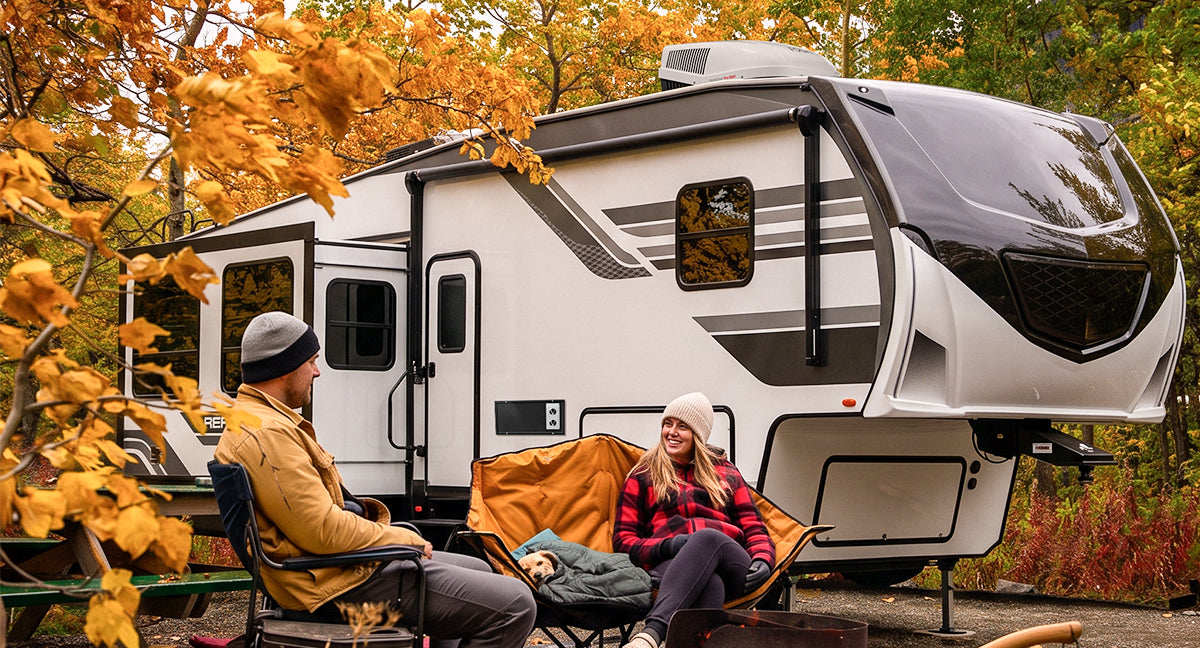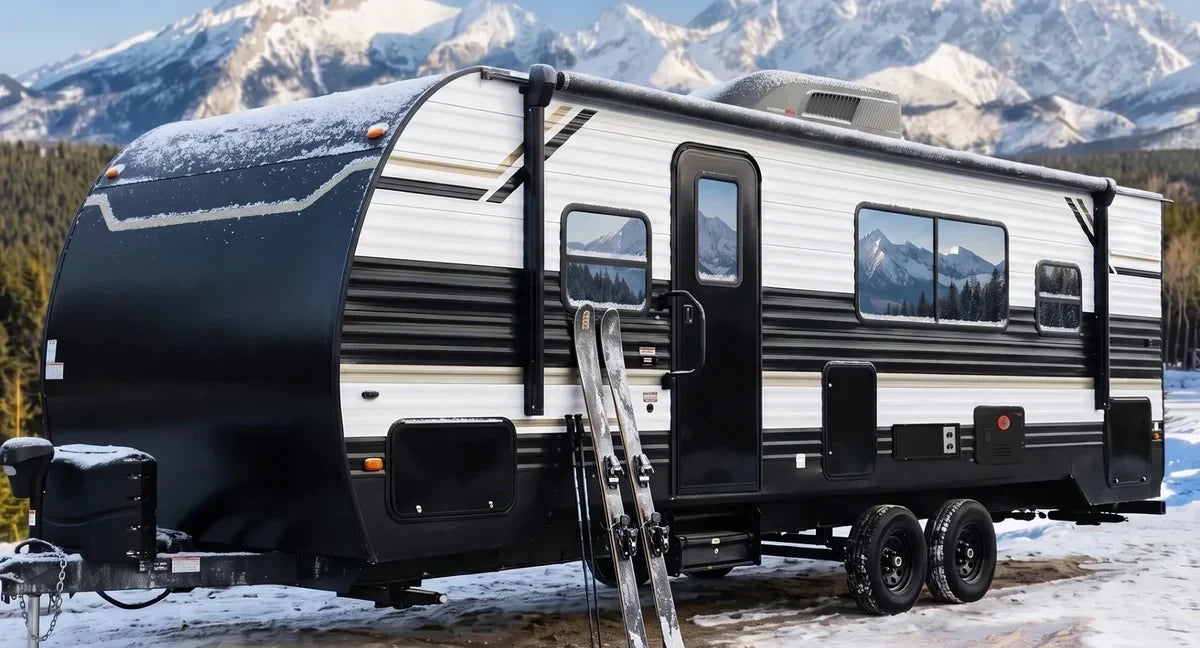



It’s possible for an RV to feel warm inside while part of the water system is getting close to freezing. The thermostat reflects the temperature in the living space, but some plumbing may be located in areas that stay much colder.
During cold-weather camping, cabin temperature is only part of the picture. It also helps to know where the plumbing runs and whether those areas receive enough heat to stay above freezing.
Why Water Lines Can Freeze in a Warm RV
Not all plumbing sits inside the heated living space. A water line may pass beneath the floor, or the pump may be installed in a compartment that receives little cabin heat. As outdoor temperatures fall, these areas can cool down even while the thermostat holds a comfortable setting.
Insulation slows that heat loss, but it does not supply heat. An enclosed underbelly may offer some protection from outside conditions without keeping every pipe above freezing. Likewise, a tank heater protects the tank it serves; connected plumbing may need separate protection.
Before freezing weather arrives, check where your RV’s plumbing runs and how those areas are protected. Your owner’s manual can help explain the cold-weather features fitted to your RV and their operating limits.
Your Heating Choice Can Affect More Than Cabin Comfort
In some RVs, furnace ducts deliver warm air to compartments containing water lines and tanks. The furnace therefore helps warm both the living area and parts of the water system.
This matters when you use another heat source inside the RV. A portable electric heater may keep the cabin warm enough that the thermostat calls for the furnace less often. If a plumbing compartment depends on furnace airflow, it may receive less heat as a result.
That does not make electric heating unsuitable for every cold-weather trip. It means you need to understand how your particular RV protects its plumbing before changing your heating routine.
If the manual is unclear, ask the RV manufacturer or dealer whether the furnace must operate to warm those areas. A “heated underbelly” label is useful, but it does not necessarily mean every pipe, valve, and fitting receives the same amount of heat.
How to Help Keep RV Water Lines From Freezing
Start with the overnight forecast, including how long temperatures are expected to stay below freezing, then check whether your RV’s cold-weather features are designed for those conditions. Both the temperature and the duration of exposure affect freeze risk.
If the plumbing depends on furnace heat, keep the intended airflow paths clear and make sure you have enough propane and 12V power for the furnace to operate overnight. If your RV uses tank heaters or other dedicated cold-weather equipment, check their operating requirements before relying on them.
A remote temperature sensor near a vulnerable plumbing area can also be useful. It gives you a better idea of what is happening away from the wall thermostat, although one sensor cannot represent the entire water system.
The outside water connection needs separate attention. If you are connected to city water, follow the hose and RV manufacturers’ cold-weather instructions. If your hose or connection is not designed for freezing conditions, follow the manufacturer’s instructions for disconnecting and draining it.
Switching to the onboard freshwater tank may remove the exposed hose from the equation, but it does not automatically protect the pump or interior water lines.
If you cannot maintain the protection your RV requires, follow its winterization procedure. Raising the cabin temperature is not a substitute for protecting plumbing that the heat may never reach.
If Water Flow Slows or Stops
Reduced flow during freezing weather may indicate a frozen section, but it does not confirm one. Whether one fixture or the whole RV is affected can help narrow down the checks. Use your RV’s troubleshooting instructions to guide the next step.
Avoid repeatedly cycling the pump to force water through a suspected blockage. Never use an open flame or torch to thaw RV plumbing. Follow the RV or component manufacturer’s instructions for safe thawing, or get qualified assistance if you cannot identify or safely reach the suspected frozen area.
Once water begins flowing again, check accessible parts of the water system for leaks. Freeze damage may only become apparent after the plumbing thaws and the system is pressurized again.
Bringing Cabin Heat and Plumbing Protection Together
Our InstaHeat RV furnaces are designed for central ducted RV heating. If your RV also routes furnace air to the underbelly or plumbing compartments, running the furnace can help warm those areas along with the cabin. The coverage depends on your RV’s duct layout and construction.
Our tankless RV water heaters include built-in freeze protection for the water heater itself. This helps protect the unit during cold-weather use, while connected plumbing still needs separate protection. Follow your model’s operating instructions to keep the freeze-protection function active when needed and complete any required draining or winterization.
Before a freezing night, know what your furnace heats, what your water heater protects, and where additional protection is needed.